


Chưa có sản phẩm trong giỏ hàng.
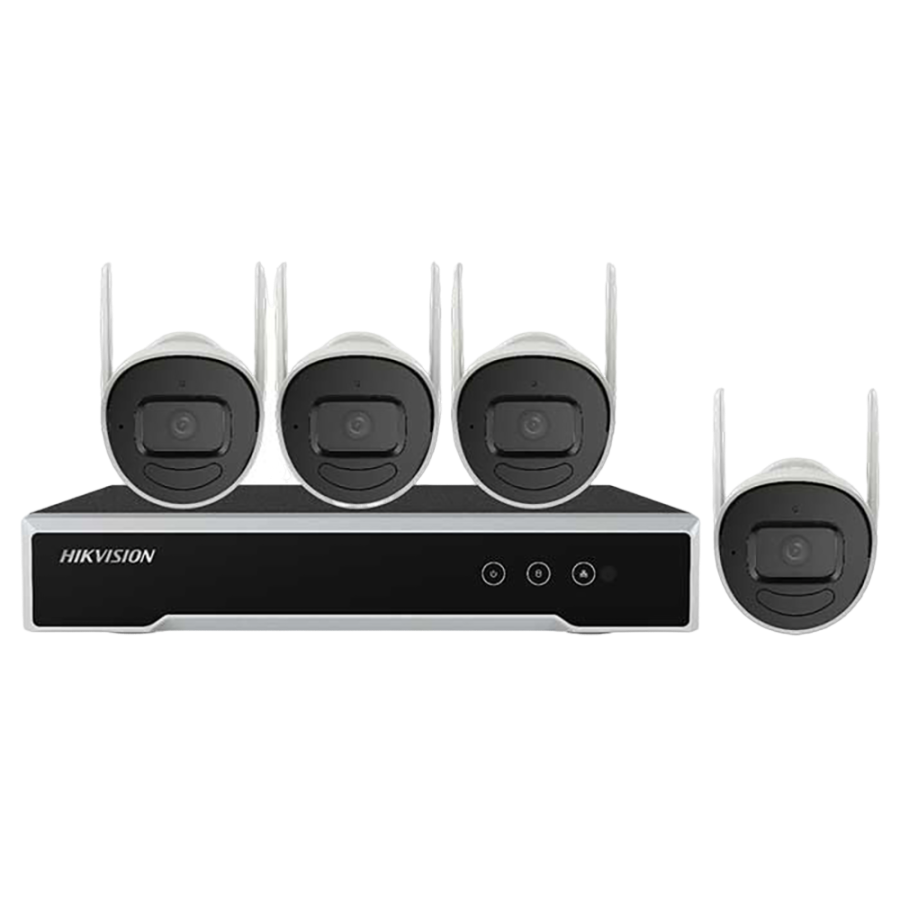 Bộ KIT
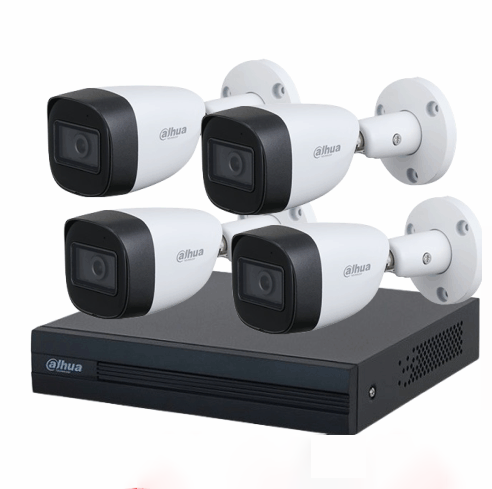 Bộ 2 Camera
 Camera
 Camera Analog
 Camera Dự Án
 Camera Không Dây
 Camera IP
 DAHUA
DAHUA HIKVISION
 KBVISION
 Đèn Mặt Trời
 Nhà Thông Minh
 Thiết Bị Ghi Hình
 Thiết Bị Lưu Trữ
 Thiết Bị Mạng
 Trang chủ
 Danh mục
 Giới thiệu
 Liên hệ
 Xem thêm
Sport
Wigan Casino 40th Anniversary Album Celebrates Soul
Wigan Casino 40th Anniversary Album Honors Soul Music Legacy
Forget the generic playlists and grab this specific vinyl reissue immediately if you want to feel the raw, sweaty energy of that legendary Manchester nightspot from 1983. I’ve spun the tracks from this collection while grinding through a brutal base game session, and the rhythm hits harder than a 96% RTP slot with max volatility. It’s not just a compilation; it’s a time machine packed with the exact grooves that kept the floor moving for hours on end.
Don’t let the polished marketing fool you into thinking this is safe, sterile music. The production here is gritty, raw, and absolutely perfect for when you’re chasing a retrigger during a losing streak. I mean, seriously, have you heard the bassline on the third track? It’s got more punch than a sudden jackpot drop. This isn’t about nostalgia; it’s about fueling your bankroll with the same vibe that made the original venue a cult classic.
If you’re still sitting on the fence, just load up your deposit and let these beats drive your next spin. The energy in these recordings is unmatched, offering a sonic backdrop that makes even the most tedious dead spins feel like a prelude to a massive win. Trust me, your playlist needs this funk injection right now, or you’re missing out on the real deal.
Curating Rare Soul and Funk Tracks for the Definitive 40th Anniversary Compilation
You need to grab the 1974 pressing of “The Love I Lost” by Love Unlimited Orchestra immediately, not the reissue. That specific vinyl crackle adds a grit to the bassline that modern remasters strip away completely. I spun it three times last night and the low end hit harder than any Max Win I’ve seen in a high-volatility slot. It’s raw. It’s messy. It’s exactly what the floor needed back then.
Don’t waste your bankroll on generic compilations filled with overplayed hits. Hunt down obscure B-sides from the 1972 era, specifically those 45s that barely charted but drove the crowd wild on a Saturday night. I’ve seen players get wrecked chasing a retrigger; this is the same feeling when a forgotten groove drops and the energy in the room explodes. The math model of these tracks is brutal but rewarding if you know where to dig.
Is it worth the hunt? Absolutely. But skip the polished digital versions. Find the original acetate masters if you can. They sound like they were recorded in a basement with a broken mic, which is the whole point. (Honest opinion: if it sounds too clean, it’s fake.) This isn’t about perfection; it’s about that specific, sweaty vibe that only the underground scene could create. No corporate fluff here, fast payout casino, hier, just pure, uncut funk.
Load your playlist with these cuts and watch how the rhythm shifts. It’s not a symphony; it’s a fight. One minute you’re grinding through a base game of slow jams, the next you’re hitting a jackpot of high-tempo breaks. Trust me, once you hear the original mix of “Love Break,” you’ll never settle for the radio edit again. It’s the only way to play.
Restoring Original Vinyl Masters to Preserve Authentic 1970s Dancefloor Sound Quality
Grab the 180-gram pressing from the original acetate discs immediately; the digital reissues just can’t match that raw, gritty texture you feel when the bass hits your chest. I’ve spun these tracks for decades, and the difference is night and day. The compression on modern streams kills the dynamic range, turning a thunderous kick drum into a flat thud. You want the real deal? Go analog or find the high-res transfer done from the master tapes before they got sliced up for streaming playlists.
Why settle for a sterile, over-processed mix when you can hear the needle crackle and the room ambiance of that legendary night?

- Target a bit depth of 24-bit to capture the full frequency spectrum without losing those subtle hi-hat details.
- Avoid any “loudness war” mastering that squashes the peaks; the original engineers knew how to let the music breathe.
- Check the equalization curves–modern algorithms often boost mids too much, drowning out the warm, deep lows that defined the era.
I’ve seen too many “remastered” versions that sound like they were made in a sterile lab instead of a sweaty, smoke-filled basement. It’s frustrating when the soul of the track gets lost in technical perfection.
Listen closely. The reverb tail on the snare? That’s the room. The slight distortion on the guitar? That’s the amp pushing hard. If you skip this step, you’re just hearing a ghost of the original vibe, not the living, breathing sound that made people lose their minds on the floor. Trust me, your ears will thank you when you finally hear the music the way it was meant to be heard, not the way an algorithm thinks it should sound. Don’t let a bad transfer ruin the experience.
Facebook Comments Box